Who we Are
Zexa Friends For Nature Conservation
We are Uganda-based conservation organisation established to respond to the accelerating loss of forest cover, climate vulnerability, and limited green livelihood opportunities affecting Ugandan communities, schools, women and youth.
Since 2024, we have implemented a multi-pronged programme spanning environmental education, digital advocacy, youth talent development, environmental campaigns, eco-tourism, women’s green livelihoods, and digital innovation building a track record of real, verifiable delivery in communities across Uganda.
Our current strategy, the ZFONC Five-Year Strategic Plan (2026–2030), builds on this foundation to scale our impact, deepen community ownership, and position ZFONC as a trusted, data-driven conservation partner in Uganda and the wider East African region.
- An integrated model
- A strong school and youth pipeline
- Digital-first advocacy
- A women-centred green economy focus
- Community ownership



Our Theory of Change
We believe lasting environmental change in Uganda requires more than planting trees. It requires investment in ecological restoration, human capacity, and economic incentive together.
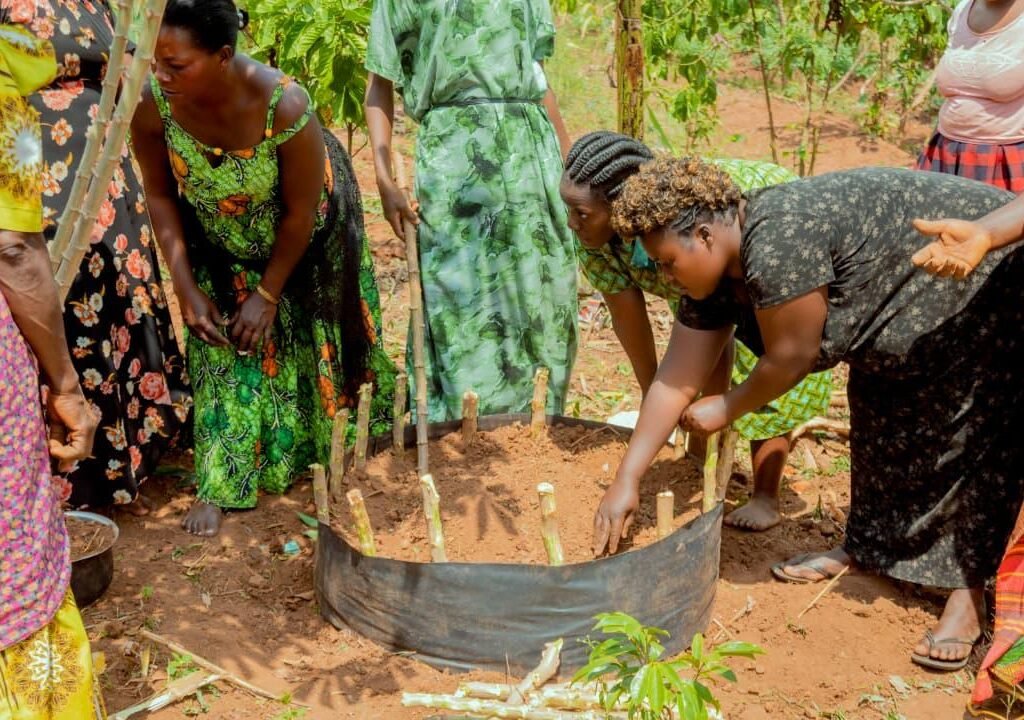
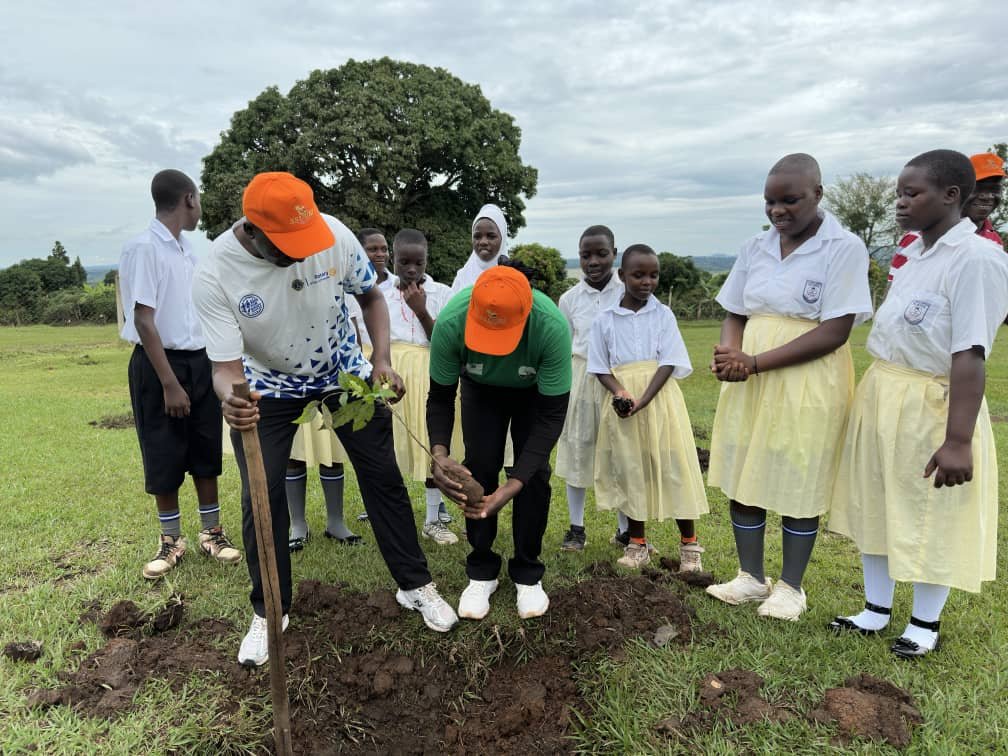
When we equip schools, youth and communities with environmental knowledge; give women and youth real green livelihood opportunities; restore tree cover through structured, monitored planting; amplify conservation messages through digital advocacy; and build community-owned eco-tourism communities gain both the motivation and the practical means to protect their environment.Because environmental stewardship lasts longest when it is rooted in real economic benefit, reinforced early through schools, and backed by consistent, trusted advocacy not one-off interventions.
Our Strategic Goal
To scale our proven conservation, education, livelihood and advocacy model to reach 50,000 trees planted, 30 schools, 20 communities, 1,000 women, 100 skilled youth, 100 eco-tours and 500 advocacy works by the end of 2028 while building lasting institutional, financial and digital capacity through 2030.
Our Mission
To empower communities, schools, women and youth to become leaders in environmental conservation, climate change mitigation, green entrepreneurship, eco-tourism and digital environmental advocacy while contributing to Uganda’s sustainable development agenda.
Who We Serve
Schools & Schoolchildren
0
%
Women
0
%
Youth
0
%
Communities
0
%
Digital Audiences
0
%
Why Partner With ZFONC
An integrated model
Unlike single-focus tree-planting organisations, we combine education, advocacy, livelihoods, tourism and digital innovation into one coherent approach so conservation gains are reinforced by real economic and social incentives.
A proven delivery track record
Documented results since 2024 10,000 trees planted, 124 advocacy works published, 125 women trained give us credibility that is grounded in evidence, not projections.
A strong school and youth pipeline
Our network of participating schools and environmental clubs provides a renewable base of young conservation champions for the long term.
Community ownership
Campaigns like My Tree Pledge and Every Home One Tree are built for household- and community-level ownership, not externally imposed targets improving long-term survival of the trees we plant.